How to Choose Energy-Efficient Home Appliances in Australia
Evaluating Appliance Energy Ratings
Understanding the energy ratings of appliances is crucial for anyone prioritising sustainability at home. In Australia, energy ratings help determine the economical and environmental viability of appliances. For instance, consider the informative energy labels you'll often see advertised at the Brisbane Technology Park's innovation hub or during sustainability talks at the Brisbane Convention & Exhibition Centre.
Navigating Australia's Energy Labels
Australia's energy labels are designed to be straightforward, marking appliances with a Star Rating and annual energy consumption figures. These ratings enable you to compare the efficiency of various devices, such as bar fridges and dishwashers. By simply reading the star rating, you can gauge how eco-friendly an appliance is.
Understanding Star Ratings
Star Ratings offer an intuitive way of recognising an appliance's efficiency. More stars signify higher energy efficiency, which translates to lower running costs and reduced environmental impact over time. It's not just about selecting the appliance with the highest number of stars; you must ensure it suits your specific needs and competing models.
Making Sense of Energy Consumption
For designers like Lachlan seeking to integrate sustainable solutions into their homes, understanding energy consumption figures on these labels is vital. Kilowatt-hour (kWh) figures show how much energy you can expect an appliance, such as dryers, to use annually. This insight allows you to calculate potential savings both in terms of energy costs and carbon footprint, aligning with your goals for an eco-friendly household.
Prioritizing Sustainable Features
When considering sustainable kitchen appliances in Australia, it's essential to assess eco-friendly innovations and their impact on your home's efficiency. As someone passionate about sustainability and design, I encourage looking at appliances like microwaves that incorporate energy-conserving functions. With advancements being showcased at events such as the Brisbane Convention & Exhibition Centre's sustainability exhibitions, innovative solutions focus on minimizing energy consumption without compromising performance.
Material sustainability is another crucial factor. Opt for appliances crafted from recyclable or sustainably sourced materials, which contribute positively to environmental preservation. For instance, a zip tap often employs advanced materials that reduce waste and promote cleaner usage. This aligns with the ethos of sustainable living that many of us strive to implement within our homes.
Additionally, consider the long-term environmental impact of your choices. Prioritise appliances that not only offer immediate energy savings but also possess a reduced carbon footprint over their lifespan. Making informed decisions ensures that our selections harmonize with our collective endeavour to protect the planet.
These mindful choices can significantly influence your household's sustainability journey, allowing you to seamlessly merge your design aspirations with eco-conscious living.
Designing for Aesthetic Integration
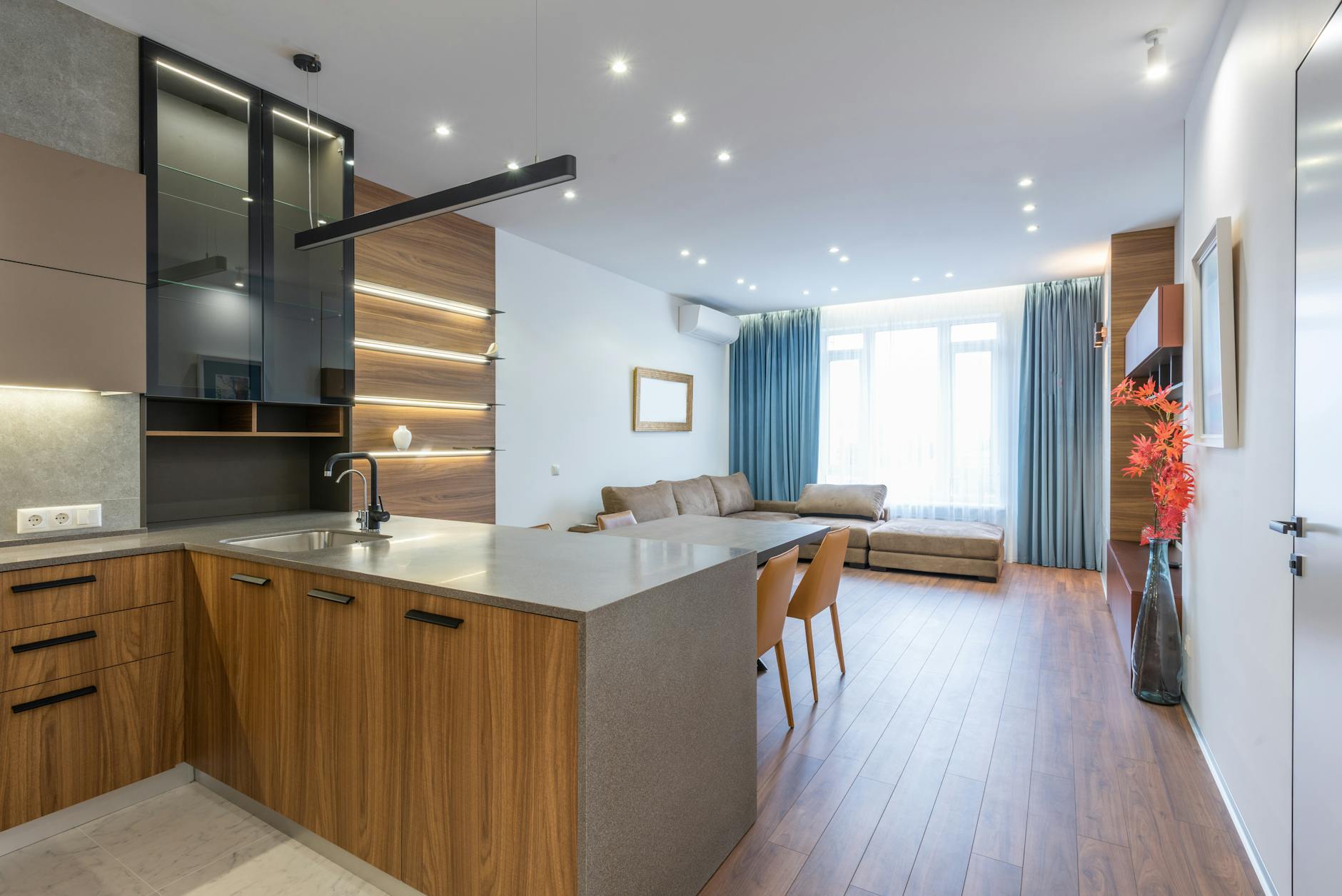
Incorporating energy-efficient appliances into your home doesn't mean sacrificing design. As an industrial designer, I understand that balancing functionality and aesthetics is vital. Seamless kitchen designs can harmonize appliances like a Westinghouse Fridge into your décor without compromising style. A well-integrated kitchen is both visually pleasing and practical, enhancing the overall ambiance of your home.
Blending functionality with style is not just about appearance but also about how each appliance fits into your daily routine. Choosing a clothes dryer that complements your space can make laundry tasks more efficient and enjoyable. Consider the appliance’s finish, size, and placement, so it complements your living space seamlessly.
Furthermore, customization options allow for a harmonious blend of functionality and design, offering the flexibility you need. Tailored solutions can enhance the usability and visual appeal of your home, aligning perfectly with personal preferences and aesthetic goals. Whether it's adjustable shelving in your fridge or a dryer offering multiple settings, these features boost both usability and design.
For Brisbane residents, visiting local hubs like the Queensland Museum & Sciencentre can offer inspiration on integrating sustainable and stylish designs. Embrace eco-friendly options that provide a balance between innovation and traditional design elements. This approach ensures your home remains both environmentally conscious and aesthetically pleasing, reflecting a personalized style that resonates with your sustainable values.
Checking Smart Technology Compatibility
Smart Home Systems Integration
In today's world of evolving technology, integrating smart home systems is no longer a luxury but a necessity for those passionate about sustainability. When selecting appliances, it's essential to ensure they can sync with existing smart home networks. This not only enhances efficiency but also allows for a seamless experience. For instance, looking into devices compatible with smart hubs can facilitate consolidated control via a single platform, enhancing usability while maintaining energy efficiency.
Remote Monitoring Benefits
One of the standout features of smart appliances is their capability for remote monitoring, which plays a crucial role in energy management. Whether you're at work or visiting the Brisbane Convention & Exhibition Centre, being able to monitor and control appliances through an app can help reduce unnecessary energy consumption. This smart energy use doesn't just save on bills—it also lessens the overall environmental impact, aligning with sustainable living goals.
Empowering Energy Management
Smart technology also empowers individuals to manage their energy usage proactively. Smart ovens, lighting systems, and devices like coffee machines with connectivity features can send usage reports, helping to identify patterns and make data-driven decisions to enhance efficiency. Additionally, features like automatic shutdown and scheduled operating times enhance eco-friendly usage. Investing in appliances like a Miele dishwasher with these capabilities can revolutionise the way we approach home energy management while staying true to our sustainable values.
Avoiding Common Mistakes
Misinterpreting Technical Specifications
When delving into the dynamic world of energy-efficient home appliances, it's crucial to grasp the technical specifications correctly. Often, consumers make the mistake of focusing narrowly on capacity or price without understanding the broader long life components. For instance, when considering a refrigerator, one might prioritize size without considering the energy-efficient compressor's role in reducing operational costs. Dive deeper into the specifications of appliances featured at innovation hubs, like the Brisbane Technology Park, to gain insights into smart designs that merge functionality with sustainability.
Overlooking Lifespan Importance
Many buyers tend to overlook the lifespan of an appliance, which can significantly affect long-term savings and environmental impact. While initial prices might seem palatable, choosing products from manufacturers renowned for using durable, Biodegradable Packaging, and recyclable materials can lead to reduced waste and better investment over time. Attending sustainability exhibitions at the Brisbane Convention & Exhibition Centre offers a first-hand look at products that stand the test of time while maintaining environmental integrity.
Ignoring Installation Requirements
A frequent misstep is disregarding the installation requirements of new appliances. Beyond the straightforward plug-in, modern, energy-efficient devices may require additional setups like ventilation systems or smart home integrations. As sustainability-focused consumers, we need to consider how an appliance fits into our home’s existing infrastructure. Events at Queensland Museum & Sciencentre showcase innovations that highlight the importance of compatibility, ensuring that sustainability efforts do not stumble at the final hurdle of installation.